Brands No Longer Build Audiences—They Build Communities
People are no longer looking for more content. They are looking for a place to belong.

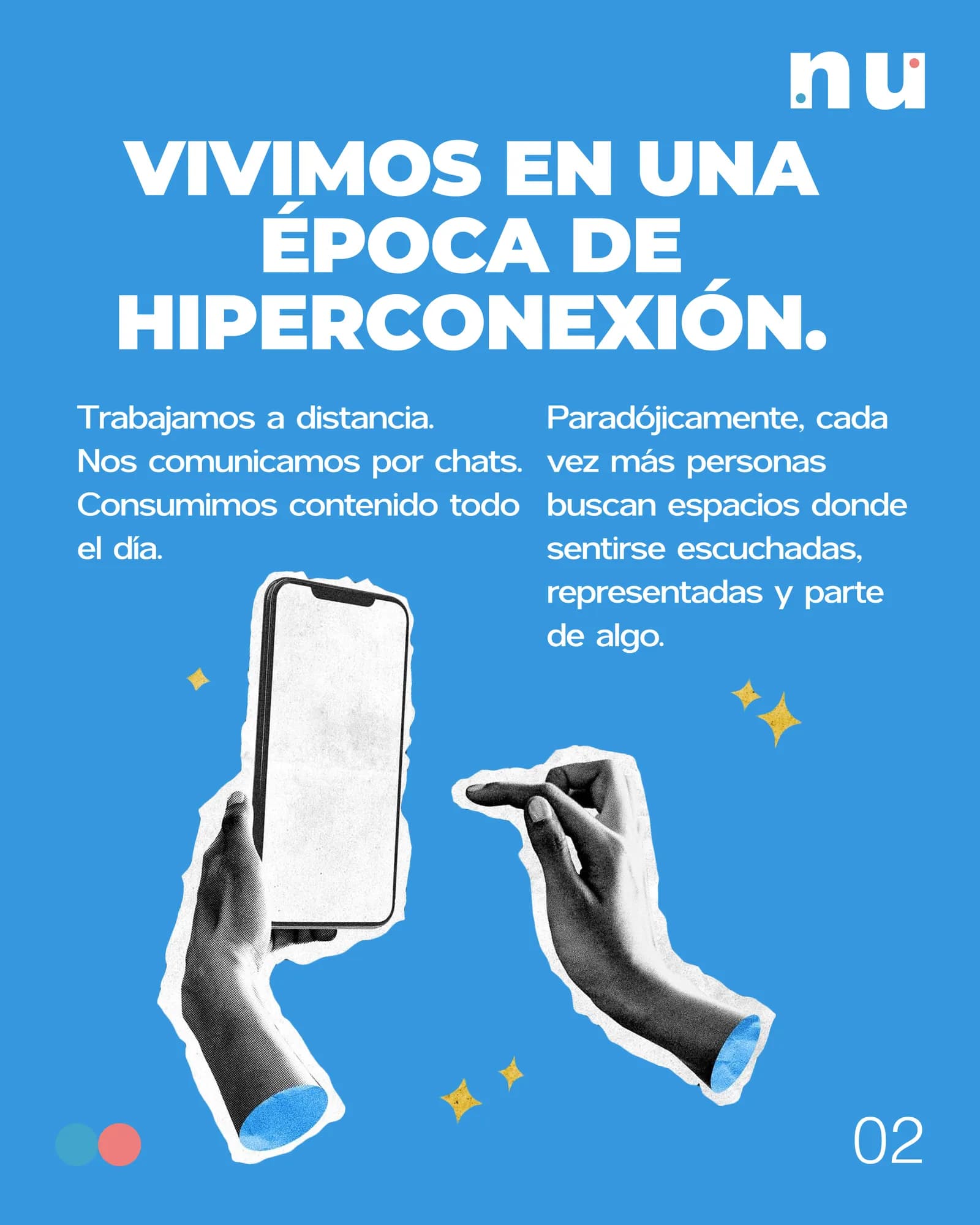


We live in an age of hyper-connectivity. We work remotely, communicate across endless chat threads, and consume content for hours every single day. Yet being connected does not always mean feeling part of something.
In the middle of a feed saturated with posts, fleeting trends, and constant noise, people are searching for spaces where they can express themselves, feel heard, and connect with others who share their worldview.
This shift presents a defining challenge for modern brands: stop asking only who views your content, and start asking what kind of relationship you are building with the people who follow you.
From collecting followers to sparking connections
For years, digital growth was measured almost exclusively through vanity metrics—follower counts, reach, and impressions. Those numbers remain useful indicators, but they no longer tell the whole story.
An audience consumes your content. A community talks with you, shares its own experiences, recommends what you do, and finds reasons to come back.
The difference lies in the bond. Someone might follow a brand because of a clever post and forget about it the very next day. But when they feel aligned with its values, join its conversations, and feel recognized, a single interaction evolves into a lasting relationship.
Community is not built merely by publishing on a schedule—it is built by creating reasons for people to participate.
How can brands build genuine community?
There is no single formula, but three principles consistently guide strong community strategy:
- Listen before broadcasting: Identifying real questions, tensions, and conversations allows you to create relevant content instead of speaking solely from the brand's agenda.
- Open spaces for participation: Thoughtful prompts, collaborative formats, user-generated stories, and candid dialogue invite people to become part of the experience.
- Build consistent relationships: Replying with care, recognizing your members, and keeping a coherent voice turns isolated interactions into long-term trust.
This also requires rethinking how we measure success. Alongside reach and follower growth, look closely at conversation quality, organic referrals, spontaneous mentions, repeat participation, and signals of trust.
True value lives in the people who stay
In an ecosystem where more content is produced and distributed every second, capturing attention is only half the battle. The real opportunity lies in turning that attention into a relationship that matters to both sides.
The most relevant brands of the next decade will not necessarily be the ones with the loudest reach, but the ones capable of building a space where people genuinely want to stay and participate.
So the question is no longer just how many people follow your brand. It is: what reasons do they have to stay?